Is Bundling Home and Auto Insurance Worth It? How to Check Before You Switch
By ChaCha InsurancePublished 10 min read
Bundling home and auto insurance is worth it when one company's combined price beats the best prices you can find for each policy on its own, with the same coverage. Many insurers offer a multi-policy discount, but a discount does not guarantee the lowest total. The only way to know is to compare both options side by side.

On this page (11 sections)
Key takeaways
- Bundling means buying two or more policies, such as home and auto, from the same company, usually for a multi-policy discount.
- The Insurance Information Institute (Triple-I) says some companies take 5 to 15 percent off for two or more policies, but warns you to check that the combined price beats buying from different companies.
- Extras like one deductible when a storm damages your house and your car depend on the insurer.
- Compare the bundled total with the best separate prices for the same limits and deductibles, then check again at renewal.
What does bundling home and auto insurance mean?
Bundling means you buy your homeowners insurance and your auto insurance from the same company. The Texas Department of Insurance explains that you could get a discount for having two or more policies with the same company, also called a bundling discount. You will also see it called a multi-policy discount.
In most cases you still have two separate policies, each with its own coverage, limits and deductible. What changes is that one company holds both, and it may lower your price because you bought more than one policy.
How does a multi-policy discount work?
How much you save, and whether the discount applies to your home premium, your auto premium or both, depends on the company. Triple-I notes that discounts may not be available in every state or from every insurer.
As of October 2026, Triple-I says some companies that sell homeowners, auto and liability coverage will take 5 to 15 percent off your premium if you buy two or more policies from them. The National Association of Insurance Commissioners (NAIC) and the Utah Insurance Department are more cautious. Both say that if you buy home and auto from the same insurer, you "may receive a small discount."
The discount depends on keeping both policies with that company. Your insurer should sign you up for discounts you qualify for, but the Texas Department of Insurance says it never hurts to ask and make sure.
What are the real benefits of bundling?
A lower price is not the only benefit, and some benefits depend on the company. Treat them as questions to ask.
- Possible discount: What it means for you: A lower premium on one or both policies. Is it guaranteed?: No. The amount varies, and separate policies can still cost less.
- One company to deal with: What it means for you: One insurer to call for changes, billing questions and claims. Is it guaranteed?: Yes, when both policies are with the same insurer.
- Lined-up renewal dates: What it means for you: You review both policies at the same time. Is it guaranteed?: No. Ask whether both policies can renew on the same date.
- One deductible for a shared loss: What it means for you: You pay one deductible when a single covered event damages your home and your car. Is it guaranteed?: No. Only some insurers offer it, and terms vary.
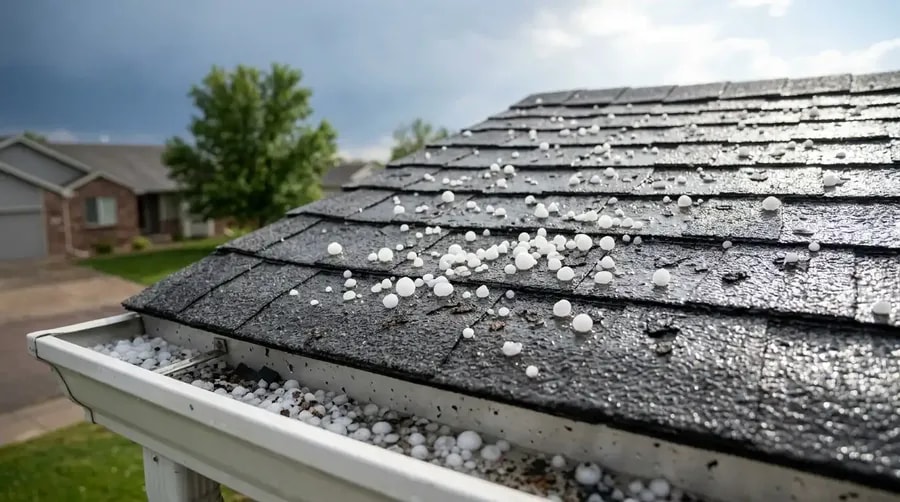
A homeowners policy and an auto policy each have their own deductible, so a hailstorm that damages your roof and dents your car could cost you two deductibles. Some insurers add a single-deductible feature for customers who carry both policies with them, so you pay one deductible (often the higher one). Ask whether it is included and which events it covers.
When does bundling not save money?
A discount is a percentage off one company's own price. If that starting price is high, the discounted bundle can still cost more than buying home from one insurer and auto from another. Triple-I says it plainly: you may save money buying from different insurance companies, compared with a multipolicy discount. In its words, the key to savings is not the discounts, but the final price.
Bundling often falls short when:
- One of the two policies is priced high at that company for your home, area or driving history, and the discount does not close the gap.
- The bundle quote uses lower limits or higher deductibles than your current coverage, so it only looks cheaper.
- You need coverage the bundling company does not offer, so you buy extra policies elsewhere anyway.
- You stop shopping after you bundle. Triple-I suggests that even loyal customers should periodically compare their price with other policies.
How do you check if a bundled price is really lower?
- Pull your current declarations pages for home and auto. They show your limits, deductibles and premiums.
- Use the same limits and deductibles for every quote.
- Get a bundled quote for both policies from at least one company, with all discounts applied.
- Get the best separate home price and the best separate auto price, even if they come from two different companies. Add them together.
- Put both totals on a yearly basis. If one policy is quoted for less than a year, convert it before you compare.
- Compare what is not on the price tag, such as a single-deductible feature and complaint records.
Triple-I recommends getting at least three price quotes and checking your state insurance department for complaint data. A worksheet like this keeps the comparison honest:
- Home premium per year: Bundled quote: ________. Best separate quotes: ________.
- Auto premium per year: Bundled quote: ________. Best separate quotes: ________.
- Total per year: Bundled quote: ________. Best separate quotes: ________.
- Home and auto deductibles: Bundled quote: ________. Best separate quotes: ________.
- Liability limits on home and auto: Bundled quote: ________. Best separate quotes: ________.
- One deductible for a shared loss?: Bundled quote: ________. Best separate quotes: ________.
If the separate total is clearly lower for the same coverage, the bundle is not worth it for you right now.
So, is bundling home and auto insurance worth it?
Bundling home and auto insurance is worth it when the total price from one company, for the coverage you want, is lower than the best home price plus the best auto price you can get separately. A multi-policy discount is common, and the Insurance Information Institute says some companies take 5 to 15 percent off when you buy two or more policies from them. But a discount only lowers that company's own price, so a bundle can still cost more than two separate policies.
To decide, get quotes with the same limits and deductibles both ways and compare the yearly totals. Then weigh the extras that are not guaranteed, such as one deductible when a single event damages your home and car, lined-up renewal dates and having one company to call. If the bundle costs the same or less for equal coverage, bundling usually makes sense. Check the math again at each renewal.
Which other policies can you bundle?
Triple-I says many insurers will give you a break if you buy two or more types of insurance, and the Texas Department of Insurance names a home or renters policy as examples that might earn you a discount on auto. Depending on the company, other policies that may count include:
- Renters insurance, if you rent instead of own.
- Condo insurance, if you own a condo unit.
- Umbrella insurance, which adds liability protection on top of your home and auto policies.
- Boat insurance, if the company also insures watercraft.
- More than one car, which Triple-I says may also earn a reduction with the same company.
Umbrella coverage fits naturally with a home and auto bundle. Triple-I explains that an umbrella policy kicks in when you reach the limit on your underlying liability coverage. As of October 2026, it says most insurers want about $250,000 of liability on your auto policy and $300,000 on your homeowners policy before they will sell you one. Learn how umbrella insurance works.
How can an independent agent compare bundled and unbundled options?
The NAIC explains that a captive agent sells insurance for only one company, while an independent agent may sell policies from many different companies. Both are paid a commission by the insurance company.
A captive agent can show you one company's bundle. An independent agent can price a bundle from one company, price your home and auto with different companies, and show you both totals side by side. Since an agent can only quote the companies it works with, ask how many options were checked.
To see your options in one place, choose the coverage you need in the bundle builder on our home page and ask for both bundled and separate prices.
Checklist before you switch to a bundle
- Compare the bundled total with the best separate total, using the same limits and deductibles.
- Ask which policies count toward the discount and whether it applies to home, auto or both.
- Ask whether the insurer offers one deductible for a single event that damages your home and car, and get the answer in writing.
- Ask how the renewal dates will line up.
- Check the company and agent. The Wyoming Department of Insurance consumer page links to tools to look up an insurance company and a licensed agent or agency.
- Start the new policies before the old ones end, and do not cancel anything until the new coverage is in force. If a lender or escrow account pays your home premium, tell them about the change.
- Set a reminder to shop again. The Texas Department of Insurance suggests shopping at least every three years.
How ChaCha Insurance can help
ChaCha Insurance is an independent insurance agency with an office in Cheyenne, Wyoming. We can price your home and auto coverage as a bundle and as separate policies, then walk you through the totals and coverage differences so the choice is yours. For a second look at your current policies, contact our team or call 833-242-2425.
Coverage in this guide
Frequently asked questions
How much can you save by bundling home and auto insurance?
It depends on the company and your situation. The Insurance Information Institute says some companies take 5 to 15 percent off your premium when you buy two or more policies from them, while the NAIC says you may receive a small discount. Treat any percentage as a starting point, not a promise.
Can you bundle home and auto insurance with two different companies?
Not for a multi-policy discount, which requires two or more policies with the same company. You can still keep home and auto with different insurers if that costs less overall. One independent agency can help you manage both, even when the policies sit with different companies.
Do you lose the discount if you cancel one policy?
Usually, yes. The discount exists because you hold more than one policy with the same insurer, so moving your home or auto policy elsewhere generally removes it. Before you cancel, ask how the remaining policy will be priced without the discount, and compare that number with other quotes.
Does bundling mean you only file one claim and pay one deductible?
Not necessarily. A home policy and an auto policy each have their own deductible, so damage to both may be handled as two claims. Some insurers offer bundled customers a single deductible when one covered event damages both. Ask how your insurer handles a shared loss before you need it.
Can renters bundle auto insurance too?
Often, yes. The Texas Department of Insurance lists a home or renters policy as examples of other policies that might earn you a discount on auto coverage. As with home and auto, compare the bundled total with your best separate quotes before you switch.
How often should you re-check a bundled policy?
Check any time your premium jumps at renewal. The Texas Department of Insurance suggests shopping at least every three years, and Triple-I advises long-time customers to periodically compare their price with other policies. Each renewal is a good time to run the comparison again.
Sources
- Insurance Information Institute: 12 Ways to Lower Your Homeowners Insurance Costs
- Insurance Information Institute: Nine ways to lower your auto insurance costs
- Insurance Information Institute: What is an umbrella liability policy?
- NAIC: Tips for Saving on Your Homeowners Insurance
- NAIC: How to Choose an Insurance Agent
- Texas Department of Insurance: Lower your home insurance cost by asking for discounts
- Texas Department of Insurance: Ask for discounts to lower your auto insurance premium
- Utah Insurance Department: Saving on Your Homeowner's Insurance
- Wyoming Department of Insurance: Consumers