What is boat insurance?
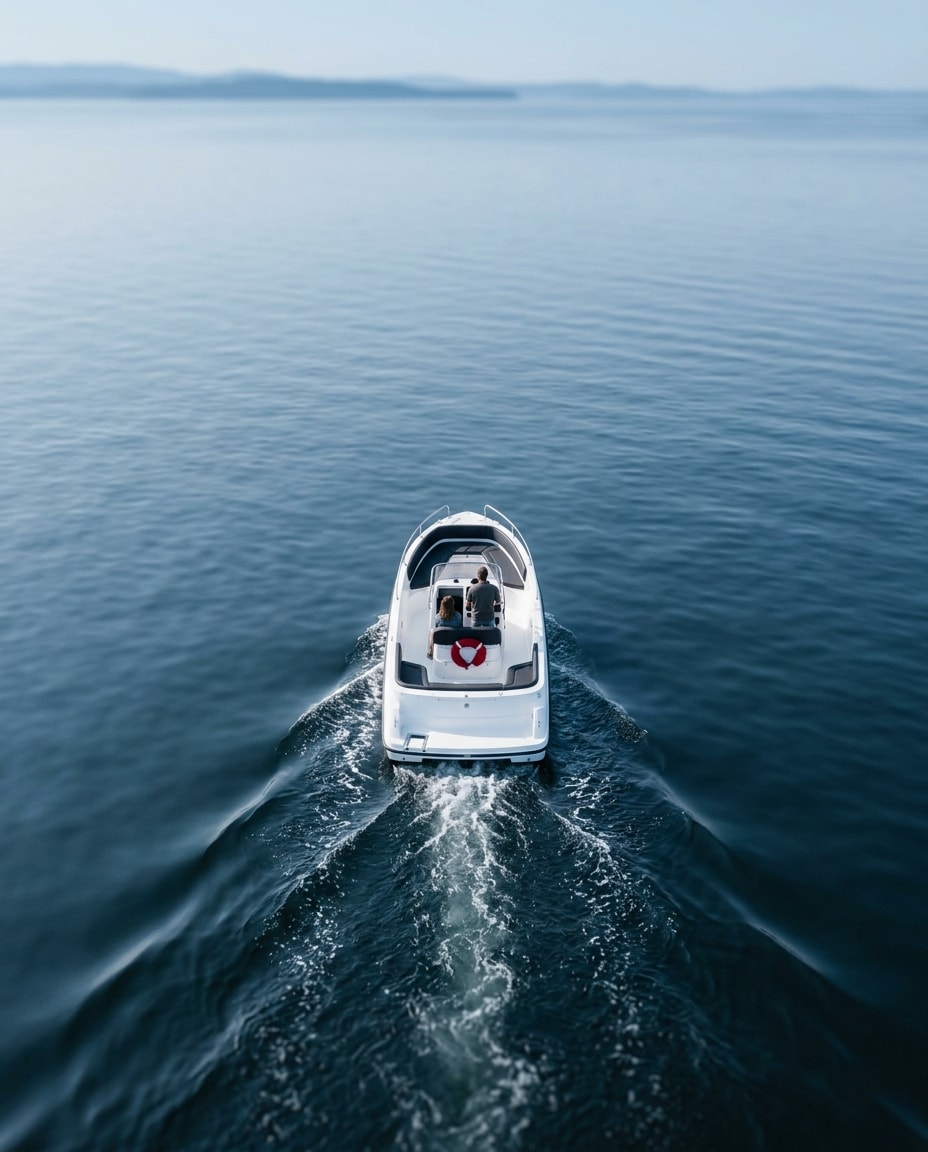
Boat insurance is a policy that covers physical damage to your boat and your legal liability when you use it. Depending on the policy, it can also cover equipment, personal items on board, medical bills for passengers, towing and fuel spill cleanup.
It can apply to many kinds of watercraft, including fishing boats, pontoons, bass boats, ski boats, sailboats, cabin cruisers and personal watercraft like jet skis. Eligibility and pricing depend on the boat's size, speed, value and how you use it.
Doesn't my homeowners insurance cover my boat?
Sometimes, but usually not much. Many homeowners policies offer only a small amount of coverage for small boats with low horsepower, often with a low dollar cap and little or no liability coverage on the water. Larger or faster boats are often excluded entirely.
If your boat is worth more than a few thousand dollars or you take friends out regularly, a separate boat policy is usually the safer choice. We can check what your homeowners policy actually says.
Is boat insurance required?
Most states don't require boat insurance by law, though a few have requirements for certain boats. Even when the law doesn't require it, many marinas, lenders and boat storage facilities do. If your boat is financed, your lender will almost always require physical damage coverage.
Boat insurance coverage types
Boat insurance coverage types| Coverage | What it pays for |
|---|
| Physical damage | Losses to your boat like collision, sinking, fire, theft, vandalism and storms |
|---|
| Liability | Injuries to others and damage to property, like another boat or a dock, plus legal defense costs if you're sued |
|---|
| Medical payments | Medical bills for you and your passengers after a boating accident, regardless of fault |
|---|
| Uninsured boater | Your injuries caused by another boater who has no insurance or not enough |
|---|
| Personal property and equipment | Fishing gear, water skis, life jackets and electronics, up to set limits |
|---|
| Towing and on-water assistance | A tow if your boat breaks down, runs aground or runs out of fuel |
|---|
| Fuel spill liability | Cleanup costs and fines if your boat leaks fuel into the water |
|---|
| Trailer coverage | Damage to or theft of your trailer |
|---|
Physical damage
Covers your boat against losses like collision, sinking, fire, theft, vandalism and storms. Policies may pay agreed value, which is set when you buy the policy or actual cash value, which subtracts depreciation at the time of loss. Agreed value usually costs more but pays a predictable amount.
Liability
Helps pay if you injure someone or damage property, like another boat or a dock. It can also help cover legal defense costs if you're sued. For high liability limits, an umbrella policy can add coverage above the boat policy.
Medical payments
Helps pay medical bills for you and your passengers if someone is hurt in a boating accident, regardless of fault.
Uninsured boater coverage
Helps if you're injured by another boater who has no insurance or not enough.
Personal property and equipment
Covers items like fishing gear, water skis, life jackets and electronics, up to set limits.
Towing and on-water assistance
Helps pay to tow your boat if it breaks down, runs aground or runs out of fuel.
Fuel spill liability
Helps pay cleanup costs and fines if your boat leaks fuel into the water, which can be expensive.
Trailer coverage
Covers your trailer for damage or theft. Note that liability while towing on the road usually comes from your auto policy.
What affects the cost of boat insurance?
- Type, length, age and value of the boat
- Engine type and top speed
- Where you boat: lakes, rivers, coastal or offshore
- Where the boat is stored and for how long each year
- Your boating experience and any safety courses
- Your claims and driving history
- The deductible and coverage limits you choose
Coastal boaters in hurricane-prone areas may face named-storm deductibles or require a hurricane plan. We'll explain how each insurer handles that.
Ways to lower your boat insurance cost
- Complete a boating safety course, which many insurers reward.
- Choose a higher deductible if you can afford it.
- Store the boat securely and use an anti-theft device.
- Ask about lay-up periods if your boat sits out of the water for part of the year.
- Ask about combining it with your auto or homeowners insurance.
How ChaCha helps
We compare boat insurance quotes from the companies we work with and explain agreed value versus actual cash value, navigation limits and storm deductibles in plain words. If you also own a home or cars, we'll look at whether combining policies makes sense.
ChaCha Insurance is an independent insurance agency. Quotes are free and asking for one doesn't start or change any policy.